

by Clare Kennedy
Level 4 personal trainer UCD, Certified nutritionist with MAC Nutrition
My passion is helping people to build and maintain strength, by making fitness accessible and enjoyable particularly for those in midlife. I want people to feel confident, love who they see in the mirror, and fully enjoy their next chapter. Our classes are built around real lives and goals, making strength and healthy habits simple and enjoyable to follow.
My passion is helping people to build and maintain strength by making fitness accessible and enjoyable, particularly for those in midlife. I want people to feel confident, love who they see in the mirror and fully enjoy their next chapter. Our classes are built around real lives and goals, making strength and healthy habits simple and enjoyable to follow.
If you have ever felt like living better for longer means forcing yourself through punishing workouts you dread, take a deep breath. It should and can fit seamlessly into your daily life and movement should be something you genuinely enjoy.
Working with your changing body
Different styles of movement serve different needs, and what worked in your 20s won’t serve you in the same way later in life. As we age, our bodies undergo five natural shifts:
1. Gradual muscle loss (sarcopenia)
Without active intervention, muscle mass declines by roughly 3% to 8% per decade after the age of 30, accelerating even faster after the age of 60.
2. The “under-muscled” shift
When muscle is lost, it is often replaced by fat tissue. Because fat takes up more volume than dense muscle, you may notice your body shape changing – particularly around the midriff and arms – even if the scale barely moves.
3. A slower metabolism
Muscle is metabolically active tissue that burns energy even at rest. Losing muscle lowers your resting metabolic rate (RMR). Think of your muscles as your body’s engine: the smaller the engine, the less fuel it burns.
4. Declining bone density
Bone is living tissue that strengthens in response to physical load. Without weight-bearing stress, bones become more porous, raising the risk of osteopenia, osteoporosis and fractures in the hips, spine and wrists.
5. Reduced balance and stability
Your muscles and bones work together as a support system. When either weakens, stability declines and the risk of falls increases significantly.
How strength training can protect you
Research consistently shows that two to three sessions of resistance training per week sends a powerful signal to your body to preserve and build lean muscle at any age – even into your 70s, 80s, and beyond. As well as protecting your bones and firing up your metabolism, regular strength work delivers benefits across your entire life.
Pain and injury prevention
Stronger muscles act like shock absorbers, stabilising your joints and improving posture.
Mood and confidence
Resistance training has been clinically shown to reduce symptoms of anxiety and depression while building a profound sense of physical capability.
Better sleep and energy
Regular strength work improves sleep quality and supports steady, sustained energy throughout the day.
Lifting weights isn’t the whole picture
A major 2026 study from the Harvard T.H. Chan School of Public Health – that tracked more than 147,000 adults for nearly 30 years – found that while 90 to 120 minutes of weekly strength training lowered premature mortality risk by 13%, the greatest longevity and health benefits came from combining resistance training with regular cardiovascular exercise.
Participants who consistently paired both forms of movement saw up to a 45% lower risk of premature death compared to inactive peers. As Harvard researchers noted, aerobic exercise and strength training protect your body through complementary pathways: cardio boosts heart and circulatory health, while resistance training optimises metabolism, blood sugar regulation and muscular strength.
Pairing this cardio-and-strength foundation with mobility work (like Pilates or yoga) further improves active range of motion and reduces joint stiffness – allowing you to move safely through deeper ranges of motion when lifting, while also lowering your risk of injury.
Why mixing it up unlocks better results
At Stronger You for Life, variety isn’t about chasing shiny new trends – it’s about giving your body and brain the diverse inputs they need to thrive:
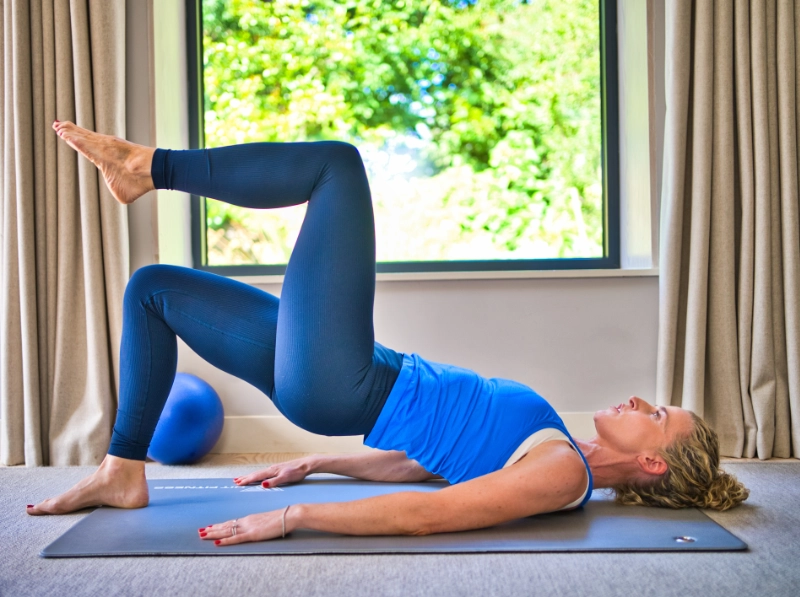
Pilates for core power and stability
Pilates targets your deep stabilising muscles (your “powerhouse”), improving posture, spinal support and balance. It acts as an ideal foundation for safe, effective strength training.
Yoga for mobility and recovery
Yoga lengthens tight muscles, improves joint flexibility and calms the nervous system – helping your body recover faster between heavier resistance sessions.
The science of variety
Beating plateaus (the SAID principle)
The SAID principle (specific adaptation to imposed demands) means that our body gets better at the specific exercises and movements we practice. If you repeat the exact same workout week after week, your muscles and nervous system grow overly efficient and stop progressing. Changing movement patterns, tempos and training styles provides the fresh stimulus needed to keep getting stronger.
Preventing overuse injuries
Doing the same repetitive motion every day places continuous strain on the same tendons and joints. Alternating strength days with lower-impact mobility, core or cardio work spreads the load and gives hardworking tissues time to repair.
Keeping your brain engaged
Learning new movement patterns challenges coordination, balance and proprioception (your body’s sense of where it is in space). This builds fresh neural pathways and prevents the mental boredom that causes most people to quit.
Putting it into practice: Consistency over perfection
Start small and experiment with different styles until you find a blend that feels good in your body and fits naturally into your week. A balanced, sustainable week might look like two short strength sessions, one Pilates or yoga class, and daily walks to hit that cardio-and-strength sweet spot.
When movement feels supportive rather than punishing, consistency becomes easier and that is how you stay strong for life.
See our new Staying strong page for tips to help you build a sustainable and consistent exercise routine that works.