
by Harriet Thomas
Director, Walk Yourself Wonderful Academy and presenter of ‘There’s A Walk For That’
Harriet, like many of you, is a passionate believer in how walking well can improve your fitness and reduce your stress levels. She is the author of the upcoming book, Walk Yourself Wonderful. Here is her story.
You already understand the importance of strength training for getting and staying strong and healthy as you age. But what happens when you take that same purposeful approach outside?
Perhaps you already walk, with the dog, at weekends, or simply because you love being in nature. Intentional walking means looking at those walks with fresh eyes. By changing how, when and where you walk, you can support cardiovascular health, metabolism and your stress response, while creating calm, joy and wonder in everyday life.
Just as every training session does not have the same purpose, neither does every walk. Change the pace, focus or environment and “just a walk” can become a powerful practice for helping you stay healthier and happier for longer.
How I discovered there was far more to walking than steps
On 15 August 2022, I woke at 4am needing the loo. When I tried to move, the sciatica I had been ignoring all week made every movement agony. It took me five minutes to get out of bed and crawl on my hands and knees to the bathroom.
I was 58 and terrified. In my 20s and 30s I had been a regular at aerobics classes and thought of myself as fit. How had I reached a point where I could barely cross the bedroom? If this was 58, what might 68 look like?
Before my body gave up completely, I wanted one more adventure. My mum was in a nursing home with dementia, so I booked a five-day trek in Morocco.
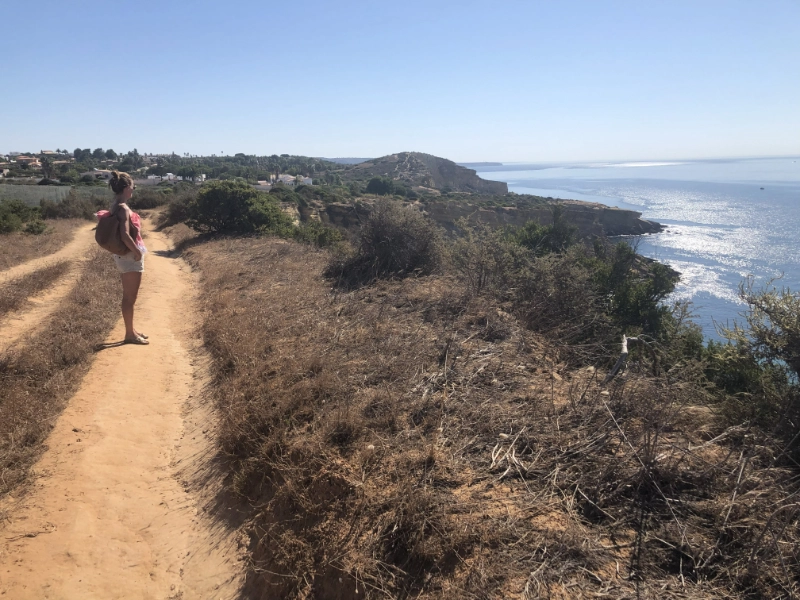
I came home feeling transformed. My back felt fit and flexible, my knees no longer ached on the stairs and my body felt ten years younger. I decided this was how I wanted to feel every day, so I made a simple commitment to walk daily, whatever the weather, deadlines or excuses.
Then I noticed more changes. After two weeks, the sciatica had not returned. After four, I felt happier. By six weeks, I was no longer reaching 3pm wanting to throw my laptop out of the window. At eight weeks, a gorgeous pair of trousers I had not worn for seven years fitted like a dream. I wanted to know why.
Walking isn’t new. How we use it can be.
Walking may be enjoying a fitness renaissance, but it is hardly a new health fad. Humans evolved to walk. It is our default design, engaging our muscles, cardiovascular system, metabolism, brain and stress response.
I dug into the research and began experimenting with pace, focus and environment. Small changes could make the same walk feel very different and serve a different purpose. It was the beginning of what I now call intentional walking.
If you already enjoy walking and are curious to get more from it or simply want more motivation to get outside and connect with nature, here are two of my clients’ favourite techniques to try.
1. Interval walking training: walk for cardiovascular fitness
If you think walking is too gentle to count as part of your fitness routine, interval walking training, or IWT, may change your mind.
Developed by researchers in Japan, IWT is refreshingly simple: walk fast for three minutes, slow down for three minutes and repeat five times for a 30-minute session. In one five-month study of adults with an average age of 63, interval walkers improved leg strength and aerobic fitness while also seeing meaningful reductions in blood pressure.[1]
Even more interesting, faster walking appears to matter more than simply walking for longer. Five months of IWT increased aerobic capacity by 14 per cent, with the biggest gains linked to time spent walking at the higher intensity rather than total walking time.[2]
And people stuck with it. In another study, adults followed IWT for 22 months with average adherence of 70 per cent, while aerobic capacity increased by 12 per cent.[3]
For anyone who struggles with consistency, that is an appealing combination: simple, measurable and sustainable.
2. The stress buster walk: walk to come back down
IWT turns the intensity up. The stress buster walk does the opposite. It is about slowing down and giving your body and mind space to come down from the demands of the day.
My formula is simple:
NATURE + SLOWNESS + BREATH + SENSES = CALM
In one study comparing a green, leafy route with an urban route, cortisol fell after both, but the reduction was significantly greater after the green walk, 53 per cent compared with 37 per cent.[4]
That is particularly interesting in midlife, when anxiety, feeling constantly “on” and disrupted sleep can become familiar companions. Forest walking has been shown to reduce state anxiety and perceived stress,[5] while early research also suggests it may support sleep.[6]
Try a stress buster walk in three simple steps
- Slow down. Start at your normal pace, then deliberately reduce it, perhaps to around half speed. We are so accustomed to rushing and getting life “done” that this can feel surprisingly difficult. The aim here is to savour the moment, not reach the destination.
- Engage your senses. Notice the sky, light through the trees, birdsong, the air on your skin and the ground beneath your feet. Focusing on what is around you can shift attention away from rumination, where thoughts circle repeatedly, and towards mindfulness, where calm, curiosity and wonder have room to appear.
- Give yourself 15 minutes. Choose the greenest space available and forget speed, distance or achievement. Notice how you feel when you finish and whether some of that calm follows you into the rest of your day.
Walking may be one of our oldest forms of movement, but its possibilities are surprisingly varied. Whether you want to generate ideas, connect with someone you love, boost your fitness or quiet a busy mind, there is a walk for that.
So next time you lace up your trainers, ask yourself one simple question: what do I want from this walk today? Then let that answer shape how you walk. You may discover that the walk you already enjoy has even more to offer.
References
[1] Nemoto K, Gen-no H, Masuki S, Okazaki K, Nose H. Effects of High-Intensity Interval Walking Training on Physical Fitness and Blood Pressure in Middle-Aged and Older People. Mayo Clinic Proceedings. 2007;82(7):803-811.
https://pubmed.ncbi.nlm.nih.gov/17605959/
[2] Masuki S, Morikawa M, Nose H. High-Intensity Walking Time Is a Key Determinant to Increase Physical Fitness and Improve Health Outcomes After Interval Walking Training in Middle-Aged and Older People. Mayo Clinic Proceedings. 2019;94(12):2415-2426.
https://pubmed.ncbi.nlm.nih.gov/31477320/
[3] Masuki S, Mori M, Tabara Y, et al. The Factors Affecting Adherence to a Long-Term Interval Walking Training Program in Middle-Aged and Older People. Journal of Applied Physiology. 2015;118(5):595-603.
https://pubmed.ncbi.nlm.nih.gov/25539937/
[4] Aras SG, Runyon JR, Kazman JB, Thayer JF, Sternberg EM, Deuster PA. Is Greener Better? Quantifying the Impact of a Nature Walk on Stress Reduction Using HRV and Saliva Cortisol Biomarkers. International Journal of Environmental Research and Public Health. 2024;21(11):1491.
https://pubmed.ncbi.nlm.nih.gov/39595758/
[5] Koselka EPD, Weidner LC, Minasov A, et al. Walking Green: Developing an Evidence Base for Nature Prescriptions. International Journal of Environmental Research and Public Health. 2019;16(22):4338.
https://pubmed.ncbi.nlm.nih.gov/31703293/
[6] Morita E, Imai M, Okawa M, Miyaura T, Miyazaki S. A Before and After Comparison of the Effects of Forest Walking on the Sleep of a Community-Based Sample of People with Sleep Complaints. BioPsychoSocial Medicine. 2011;5:13.
https://pubmed.ncbi.nlm.nih.gov/21999605/
More information and links:
Walk Yourself Wonderful Academy
Podcast Producer and presenter ‘There’s A Walk For That’
Author of the upcoming book, Walk Yourself Wonderful
Creative Director, Boogie Mites