

by Clare Kennedy
Level 4 personal trainer UCD, Certified nutritionist with MAC Nutrition
My passion is helping people reach goals they have struggled to achieve. While weight loss and body composition are the most active part of my practice, I also work with clients diagnosed with conditions such as osteoporosis and sarcopenia.
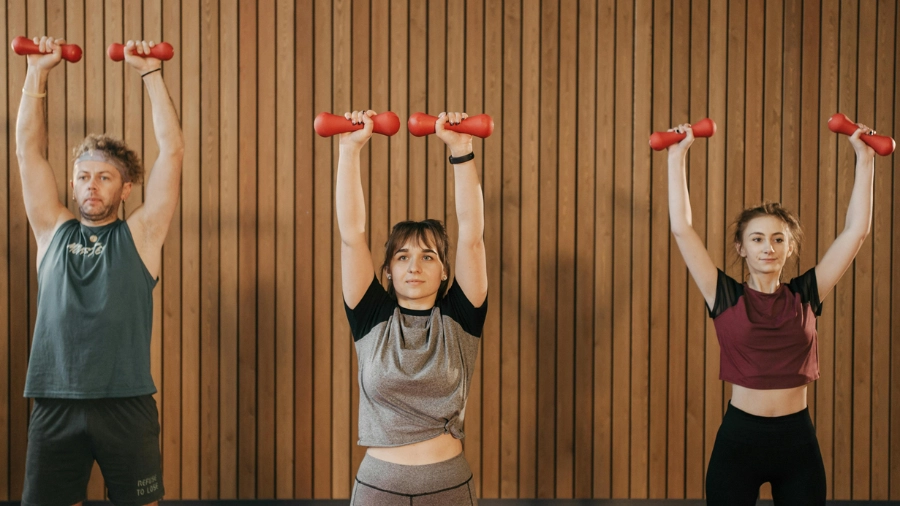
We all want the energy to enjoy our years, the resilience to navigate challenges, and the physical capability to thrive. We are often asked if men and women should follow the same training plans? Over the years the advice has changed. The thinking used to be “women are not small men” and so need to train differently. Now it’s often thought that training for men and women should be the same.
And we agree! Keep it simple whilst there are obviously physiological and anatomical differences between the sexes the basic principles are the same.
Differences in physiology and anatomy
While we all share the same muscles, bones, and organ systems, key differences exist:
Muscle mass and strength
Men generally have a greater proportion of lean muscle mass and higher absolute strength due to higher testosterone levels. When women train they may initially need to focus more on lifting heavier loads relative to their own strength to achieve muscle-building (hypertrophy) stimulus.
Body fat
Another difference is that women typically have a higher essential body fat percentage and store fat primarily around the hips and thighs (gynoid), while men store it more centrally (android) But this difference doesn’t impact on how to train, although it may lead to different body composition goals.
Women’s hormones
In particular oestrogen can influence joint laxity and tendon stiffness, making women potentially more susceptible to certain injuries. We believe that this is another reason why women need to incorporate stability and joint-strengthening exercises into their exercise routines & not a reason for needing a different routine to men.
Anatomy
Generally, women have wider hips (Q-angle), which can influence lower-body mechanics, requiring attention to form during squats and lunges. Again, in our opinion this means that both sexes must prioritise correct form to prevent injury.
Should the foundations of training be similar?
Absolutely. The human body responds to stress (training) with adaptation, regardless of gender. The foundations of effective training are built on universal principles:
- Progressive overload: Gradually increasing the demand on the body (more weight, more reps, harder intensity) to force adaptation.
- Specificity: Training the movements you want to improve (e.g., lifting weights to get strong).
- Consistency: Showing up regularly over time.
Therefore, the core components of a strength and well-being programme should be similar:
- Resistance Training: Essential for building and maintaining muscle and bone density. This should involve compound movements (squats, deadlifts, presses, rows) that work multiple joints and large muscle groups.
- Cardiovascular Conditioning: Necessary for heart health, endurance, and metabolic function.
- Mobility and Flexibility: Crucial for maintaining range of motion and preventing injury.
Does this change in midlife?
Yes, the importance increases, but the fundamentals remain the same. Midlife (40s, 50s, and beyond) is defined by significant hormonal shifts that accelerate age-related decline for both men and women:
- For women (menopause/perimenopause): The sharp decline in oestrogen accelerates the loss of muscle mass (sarcopenia) and, more critically, bone density (osteoporosis risk).
- For men (andropause): The gradual decline in testosterone and growth hormone also leads to muscle loss, increased visceral fat, and reduced energy.
In midlife, resistance training shifts from being “helpful” to essential. It is the most effective way to counteract sarcopenia, protect bone density, and maintain a healthy metabolism for both sexes.
Health outcomes from training
Men and women reap similar, life-extending benefits from consistent training:
- Lower risk of cardiovascular disease (CVD)
- Improved insulin sensitivity (reducing type 2 diabetes risk)
- Enhanced mood and reduced symptoms of anxiety and depression
- Increased functional strength for activities of daily living (ADLs)
However, training can target specific sex-based risks:
- For women: Resistance training is a potent defence against osteoporosis, a condition four times more common in women than men.
- For men: Maintaining muscle mass helps support healthy testosterone levels, which are linked to vitality and mood.
For mid-lifers who want to feel strong and live well, this means one thing: prioritise strength. Feeling strong in midlife is less about looking like a bodybuilder and more about having the physical reserve to handle life – carrying groceries, playing with grandkids, or recovering quickly from a fall.
Recommendations for strength and well-being
1. Weekly exercise recommendations
Both men and women should aim for a combination of resistance and cardiovascular training.
2. Rest and recovery: The engine maintenance
Recovery is when your body actually gets stronger. Without it, you are simply breaking down muscle, increasing your risk of injury, and impairing your immune function.
Tips for maximizing recovery
- Prioritize sleep: Aim for 7-9 hours of quality sleep per night. This is when growth hormone is released, repairing muscle tissue.
- Stay hydrated: Water is essential for nutrient transport and muscle function.
- Fuel wisely: Consume enough protein (0.6 to 1.0 grams per pound of body weight, especially for midlifers) to support muscle repair and include complex carbohydrates to replenish energy stores.
- Active recovery: Gentle activity (light walking, stretching) on off-days can increase blood flow, which aids in recovery more than sitting still.
3. Some tips for men doing resistance training
While men often have a head start in strength, the drive to lift heavy can sometimes lead to suboptimal training habits.
- Leave the ego at the door: The fastest way to injury is lifting a weight you aren’t ready for. Focus on perfect form with lighter weight before increasing the load. A slower, controlled rep builds more muscle than a fast, sloppy one.
- Embrace mobility: Men often neglect stretching and mobility work. Dedicated time for hips, shoulders, and thoracic spine is crucial for maintaining range of motion and preventing injury, especially as flexibility declines with age.
- Don’t skip leg exercises (or the warm-up): The biggest lifts (squats, deadlifts) are the most important for full-body hormone response. Make sure to adequately warm up the hips, hamstrings, and lower back before attempting heavy lifts.
- Mind the volume: More isn’t always better. Focus on a few intense, well-executed sets rather than hours of endless volume, which can tax the central nervous system and hinder recovery.
In conclusion, the goal of feeling strong and living well demands the same commitment to training from both men and women. Train intelligently, respect your body’s needs, and never underestimate the power of progressive resistance.
At Stronger You we have a large library of recorded classes, so that you can select short workouts of 15 or 30 minutes’ length. Whether you do a resistance, yoga or Pilates class the workouts are carefully planned to optimise your workout and deliver maximum impact.